Keeping Your Home Safe With Roof Repairs Succasunna NJ
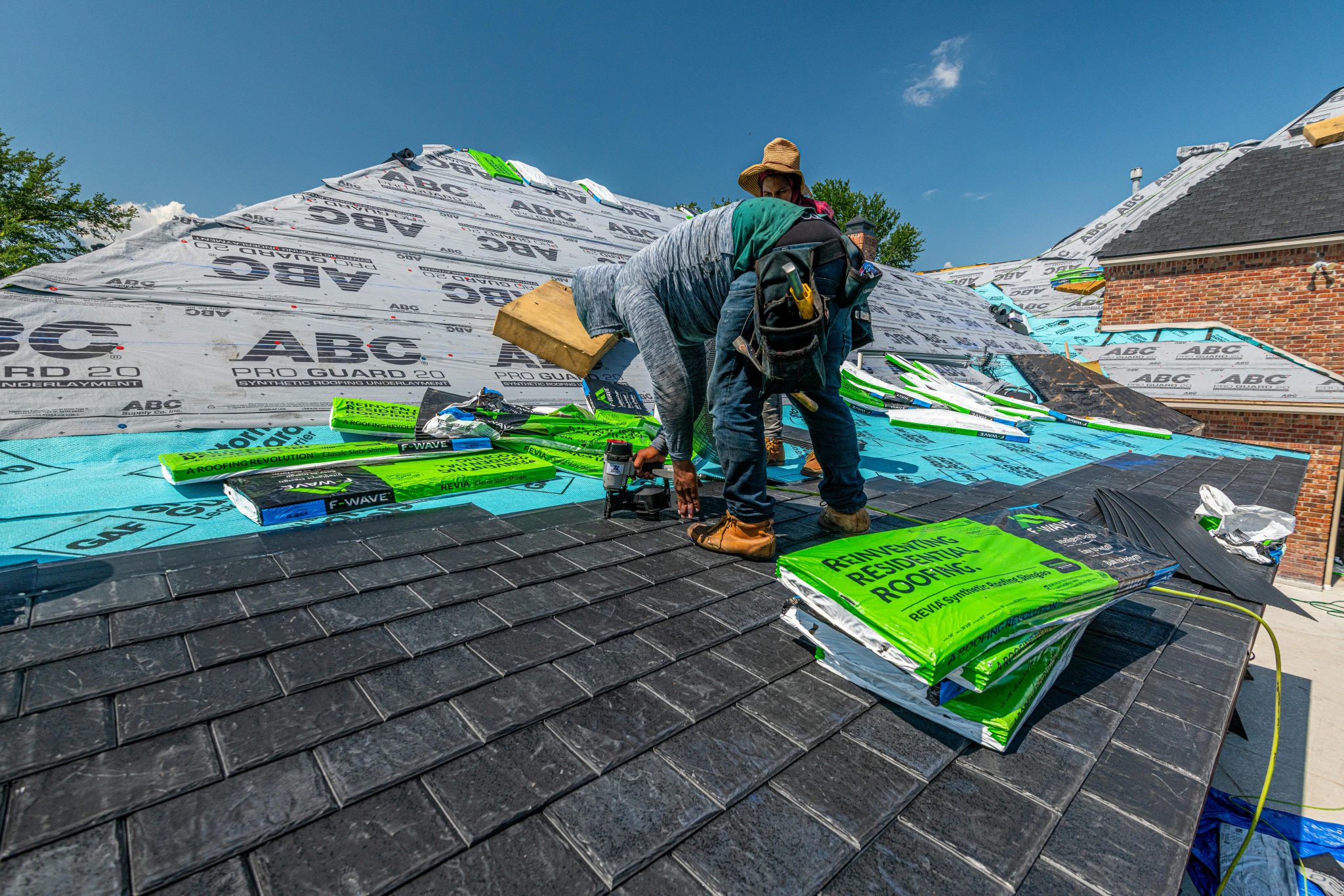
A roof usually gets attention only when something goes wrong. A brown ceiling stain appears after a hard rain. A bedroom corner feels colder than it used to. Shingles turn up in the yard after a windy night, and suddenly the roof moves from the background of homeownership to the top of the list. In a place like Succasunna, where roofs deal with summer storms, winter snow, ice, and the repeated stress of freeze and thaw cycles, small weaknesses rarely stay small for long.
That is why Roof Repairs Succasunna NJ deserves a practical, local conversation, not a generic one. Roof repair is not just about replacing a few shingles and moving on. It is about protecting the framing, insulation, drywall, electrical systems, and indoor air quality that sit below that roof line. It is also about timing, because the right repair at the right moment can prevent a much larger project a season later.
Homeowners often ask the same question in different ways: is this a quick fix, or is it the start of a bigger problem? The honest answer depends on the age of the roof, the quality of the original installation, the type of material, the pattern of damage, and how long the issue has been active. A roof can leak in one room while the actual opening sits twenty feet away. Water travels. It follows decking, nails, rafters, and gravity in ways that can fool even careful homeowners.
What makes roof problems in Succasunna different
Roofing issues are always local. A coastal roof battles salt air. A desert roof bakes under relentless sun. In Succasunna, the most common stressors come from seasonal swings. Cold weather can make shingles more brittle. Ice can back water up near the eaves. Snow adds weight. Spring and summer storms test flashing, vents, ridge caps, and any area where water can sneak in.
Older homes in the area often have layers of repairs done over many years, sometimes by different contractors with different standards. It is not unusual to find patched flashing beside newer shingles, or a vent boot replaced while adjacent sealants were left to age out. On paper, each small repair may have made sense. In practice, a roof is a system, and weak points tend to cluster.
Tree cover is another local factor. Mature trees can be a real asset for curb appeal and shade, but they also drop limbs, scrape shingles, and hold moisture on roof surfaces after rain. Moss and algae become more likely when sunlight is limited. Gutters clog faster. Valleys fill with debris. None of this guarantees a leak, but it shortens the margin for error.
I have seen roofs that looked acceptable from the driveway but revealed a different story up close. Granule loss near downspouts, cracked pipe collars, lifted tabs at the ridge, and soft decking around an old chimney do not always stand out from the lawn. That is one reason roof issues catch homeowners by surprise. The damage starts quietly.
The early signs homeowners should not ignore
A roof rarely fails without warning. The problem is that many warnings seem minor, especially when life is busy and the leak has not yet reached the living room floor.
The most obvious sign is active water intrusion, but by that point the problem may have been developing for months. More subtle clues often show up first. A musty smell in the attic after rain, peeling paint near the top of a wall, a sudden spike in heating or cooling costs, or daylight visible around roof penetrations can all point to trouble overhead.
Outside, the clues are just as important. Shingles that curl, crack, cup, or lose granules are not simply cosmetic concerns. They are showing wear in the very layer designed to shed water. Flashing that pulls away from a chimney or wall intersection can open an entry point for wind driven rain. Sagging gutters do not cause every roof leak, but they do increase the chance that water will pond and work backward into places it should never reach.
If there has been a storm, pay attention to what lands on the ground. Finding a few granules in the gutter is normal over time. Finding sections of shingles, exposed nails, or bent flashing after high wind is not. A quick inspection after severe weather can make the difference between a focused repair and a broad interior restoration.
Why fast action matters more than most people think
Water damage compounds. That is the simplest way to put it. A small leak often affects more than one material, and each material reacts differently. Wood can rot. Insulation loses effectiveness when wet. Drywall stains, softens, and eventually crumbles. Metal fasteners corrode. Mold becomes more likely where moisture lingers without airflow.
A repair that might have involved a few hundred dollars in targeted work can expand into attic remediation, ceiling replacement, repainting, and insulation upgrades if it is delayed. The roof itself can also become harder to fix the longer water gets under the surface. Decking that was once solid enough to hold a repair may need replacement later. Sealants that might have been refreshed in one visit may no longer matter if the substrate beneath them has failed.
There is also the issue of insurance. Storm damage may be covered in some situations, but documentation matters. Waiting too long can make it harder to separate the original event from the secondary damage caused by neglect or delay. Even when insurance is not part of the equation, having a clear timeline helps a roofing contractor diagnose the issue accurately.
The roof areas that fail first
Most leaks do not begin in the middle of an uninterrupted shingle field. They begin where the roof changes direction, meets a wall, or contains a penetration. Chimneys, skylights, plumbing vents, valleys, dormers, and step flashing zones deserve extra attention because they require precise detailing. The roofing material is only as reliable as the transitions around it.
Pipe boots are a common example. The rubber collar around a vent pipe takes direct weather exposure year after year. It can crack long before surrounding shingles are fully spent. Flashing around chimneys is another frequent trouble spot, especially if mortar joints are deteriorating or previous repairs relied too heavily on caulk. Caulk has a role in roofing, but it is not a substitute for properly integrated flashing.
Nail pops create another category of frustration. A single raised fastener can push up a shingle tab and create a pathway for water. Homeowners may never spot it from below, yet it can be enough to trigger a recurring leak under the right conditions. Valleys, meanwhile, collect a high volume of water, which makes any defect there more serious than the same defect elsewhere.
This is where experience matters. Roof Repairs is rarely about treating only the visible symptom. A professional repair should address the immediate leak and the reason it formed.
Repair or replacement, how good contractors make the call
No responsible contractor should recommend a full replacement for every leak, and no responsible contractor should promise that every aging roof can be saved with a patch. Good judgment sits between those extremes.
If the roof is relatively young and the damage is isolated, repair usually makes sense. A section of missing shingles after a wind event, localized flashing failure, or a damaged vent boot can often be corrected without major disruption. The key is whether the surrounding materials still have useful life and whether a new repair can integrate cleanly with what is already there.
If the roof is near the end of its service life, widespread granule loss is evident, multiple leak points exist, or decking has softened across several areas, repair may become a temporary measure rather than a long term solution. In that case, a homeowner needs clarity. There is nothing wrong with making a temporary repair to get through a season, as long as everyone is honest about what it is and what it is not.
I have seen homeowners spend money three times on scattered service calls when one candid assessment at the start would have saved them frustration. On the other hand, I have also seen roofs with years of life left in them receive premature replacement recommendations because it was the larger job. The best roofing professionals explain their reasoning in plain language, show photos, and describe the likely timeline if you choose repair now and replacement later.
What a proper roof repair visit should include
A solid roof repair appointment is part diagnosis, part craftsmanship. The visible leak inside the house is only one clue. The contractor should inspect the roof surface, the likely https://maps.app.goo.gl/4YzDMwmpJukCXVi39 entry points, the attic if accessible, and the drainage path. A stain on a ceiling does not always point straight up to the problem.
Homeowners can expect a careful roofer to look for related issues while addressing the main one. If a vent pipe boot failed, are adjacent shingles brittle? If flashing separated at a sidewall, is there evidence of repeated water entry in the sheathing? If wind lifted one area, are nearby fasteners secure? This broader view is what separates a durable repair from a cosmetic patch.
A good service visit also includes realistic communication. Weather can affect seal times, especially with asphalt shingles in colder months. Color matching may be close rather than exact on an older roof. Some repairs are straightforward in dry conditions but should be delayed if active rain creates safety or quality concerns. Those are not excuses. They are part of doing the work correctly.
A homeowner’s short checklist before calling for service
When you suspect a problem, a few simple observations can help the repair process move faster and more accurately.
- Note when the leak appears, such as during heavy rain, wind driven rain, or snow melt.
- Check the attic, if safe, for damp insulation, dark sheathing, or visible drips.
- Photograph interior stains and any exterior damage you can see from the ground.
- Move valuables away from the affected area and contain active drips with a bucket or tarp.
- Avoid climbing onto the roof yourself, especially after storms or in cold weather.
That last point matters. Many injuries happen during well intentioned do it yourself inspections. A slippery roof, loose shingle edge, or hidden soft spot can turn a manageable home repair into a trip to the emergency room.
Why emergency tarping has a place, but not as a final answer
There are times when immediate protection matters more than aesthetics. After storm damage, emergency tarping can prevent interior destruction until conditions allow a permanent repair. That is valuable work. It buys time. It limits additional water intrusion. It can preserve insulation, drywall, and personal property.
But tarps are temporary by design. Wind gets under edges. Fastener points can enlarge. Ultraviolet exposure breaks materials down. A tarp that stays too long often creates a false sense of security, and homeowners stop checking the area because the crisis feels contained. Then the next strong storm arrives, and the underlying problem returns.
A quality roofing company treats tarping as part of the response, not the resolution. They secure the opening, document the damage, and schedule the real repair as soon as conditions and materials allow.
Seasonal timing and what to expect in New Jersey weather
Many homeowners assume roof work should happen only in warm weather. Warm conditions are easier in many cases, but repairs do happen in cooler months. The question is not whether roofing can be done in winter. The question is whether the specific repair can be completed safely and according to manufacturer and field best practices.
Sealants behave differently in cold temperatures. Shingles are less flexible. Snow and ice may hide the true extent of damage. That said, waiting several months with an active leak is usually the worse option. Experienced contractors adjust methods, schedule around weather windows, and distinguish between what can be done now and what should be revisited later.
Spring is often when hidden winter damage becomes visible. Summer storms expose vulnerable flashing and aging shingles. Fall is an excellent time for preventive inspections because it allows repairs before ice and snow return. Roof Repairs Succasunna NJ is not a one season issue. It is a year round maintenance responsibility shaped by local weather.
The cost side, and why the cheapest bid often costs more
Roof repair pricing varies because roofs vary. Accessibility, pitch, material type, story height, extent of damage, and the need for decking replacement all affect cost. A minor repair may be modest. A leak that seemed minor but reveals rotten substrate and failed flashing around a chimney can become a larger job quickly.
This is where homeowners should be careful with low bids that arrive too fast and explain too little. If a contractor does not inspect the attic, does not photograph the issue, and does not describe the repair scope beyond a vague promise to patch it, you are not comparing equal proposals. You are comparing detail against guesswork.
The cheapest repair is only the cheapest if it works. If the same leak returns after the next storm, or if water simply finds the next weak point because the original cause was not corrected, the total cost rises. Reputable contractors may not always be the lowest price, but they tend to be clearer about materials, labor, and limitations.
Choosing a roofer without getting overwhelmed
Most homeowners do not hire roofers often enough to feel fully confident about the process. That is normal. You do not need to become a roofing expert overnight, but you do need to ask a few grounded questions.
Look for a contractor who communicates directly, inspects thoroughly, and is comfortable explaining why the problem happened. Ask whether the repair addresses only the visible damage or the surrounding vulnerable area as well. Ask what material will be used, how close the match will be, whether underlying wood replacement is included if needed, and what kind of workmanship backing applies to the repair.
One of the best signs is simple honesty. A trustworthy roofer will tell you when a repair is likely to hold, when it is a temporary measure, and when replacement should be part of the near term conversation. That level of candor is worth more than polished sales language.
Maintenance that lowers the odds of future leaks
Not every roof issue can be prevented. Storms happen. Materials age. Flashing fails. Still, regular maintenance changes the odds in your favor. Roofs last longer when water drains properly, debris is cleared, and small defects are corrected before they spread.
A few habits make a real difference. Keep gutters and downspouts flowing. Trim branches that hang over the roof or rub against shingles in wind. Check attic ventilation if you have recurring ice issues or unusually high attic heat. Inspect the roof visually from the ground after major weather events. And if the house has a chimney, skylight, or multiple roof transitions, consider periodic professional inspections even when no leak is visible.
There is a practical reason for this. Repairs are easier when the roof system is dry, stable, and limited to one area. Preventive attention preserves options.
When interior damage means the repair scope should widen
Sometimes the roof leak is only part of the problem by the time it is discovered. If insulation has stayed wet, it may need replacement to restore thermal performance and reduce odor or mold risk. If drywall has swelled or cracked, drying alone may not be enough. If staining has spread across framing, further evaluation may be needed to ensure the moisture source is truly eliminated.
This does not mean every leak requires a major restoration project. It means the roof repair should be coordinated with what happened below it. Otherwise, homeowners fix the top, repaint the ceiling, and assume the issue is resolved while trapped moisture remains in the attic cavity. Months later, the smell returns, or the stain reappears after one humid stretch.
A smart repair plan looks upward and downward. It seals the entry point, checks the structural base, and makes sure the home can dry out properly afterward.
The peace of mind a solid repair brings
A reliable roof repair does more than stop a drip. It quiets the background worry that builds every time clouds gather. You stop checking the ceiling during storms. You stop wondering whether that attic smell means trouble. You regain confidence that the house is doing its job.
That matters more than people sometimes admit. A home is not just a financial asset. It is where people sleep, gather, store keepsakes, and try to feel secure. When the roof becomes uncertain, the whole house feels less settled.
For homeowners dealing with Roof Repairs Succasunna NJ, the smartest move is usually the simplest one: act early, get a thorough assessment, and choose repair work that solves the actual problem, not just the visible symptom. Roof Repairs done with care protect much more than shingles. They protect the structure, the comfort, and the daily stability that make a house feel like home.
Royalty Exteriors
Address: 151 NJ-10 Ste 103A, Succasunna, NJ 07876
Phone number: +19733337234
FAQ About Roof Repairs Succasunna NJ
How much should I pay for roof repairs?
Most homeowners pay an average of $900 to $1,200 for roof repairs, with typical projects ranging from $150 to $3,000+ depending on the severity of the damage.
What are the most common roof repairs?
The most common roof repair is fixing water leaks by replacing damaged, cracked, or missing asphalt shingles and sealing compromised flashing.
Does homeowners insurance pay for roof repairs?
Homeowners insurance pays for roof repairs only if the damage is sudden and accidental, such as from a storm, hail, or a falling tree.